








Discover how regenerative farming is helping us protect the land, improve soil health, and produce better beef—for today and for the future.
In the world of farming, there’s a lot of talk about sustainability—but here at Yorkshire Dales Meat Company, we’re going a step further.
Instead of simply reducing harm, we’re working to actively improve the land we farm. The way we do that is through regenerative farming. It’s a term you might have heard more of lately, but what does it really mean? And why does it matter to how your food is produced?
Let’s dig in.
What is Regenerative Farming?
At its heart, regenerative farming is about working with nature, not against it. It focuses on healing the land, building healthy soil, and boosting biodiversity, all while producing high-quality food.
Unlike conventional farming—which can rely heavily on artificial inputs, overgrazing, and monocultures—regenerative farming takes a more holistic approach. It’s based on natural systems, long-term thinking, and improving the land with every season.
It’s not a checklist or certification—it’s a mindset. One that’s shaping everything we do at Mill Close Farm.
How Does It Work in Practice?
Here on our farm in North Yorkshire, regenerative farming shapes how we raise our cattle and manage our land. Some of the ways we put it into action include:
- Minimum tillage – This is a farming practise that reduces the amount of soil disturbance compared to traditional ploughing. This helps to improve soil health, retain moisture, reduce erosion and lower carbon emissions by minimizing tractor use.
- Cover cropping – This is where specific crops are grown primarily to improve the soil health rather than for harvest. These crops improve soil fertility, retain moisture, suppress weeds and enhance biodiversity. This method supports regenerative farming by reducing the need for synthetic fertilisers and pesticides.
- Rotational Grazing – Instead of leaving animals in the same field for long periods, we move them regularly between paddocks. This gives the grass time to recover, encourages deeper root systems, and helps build better soil structure.
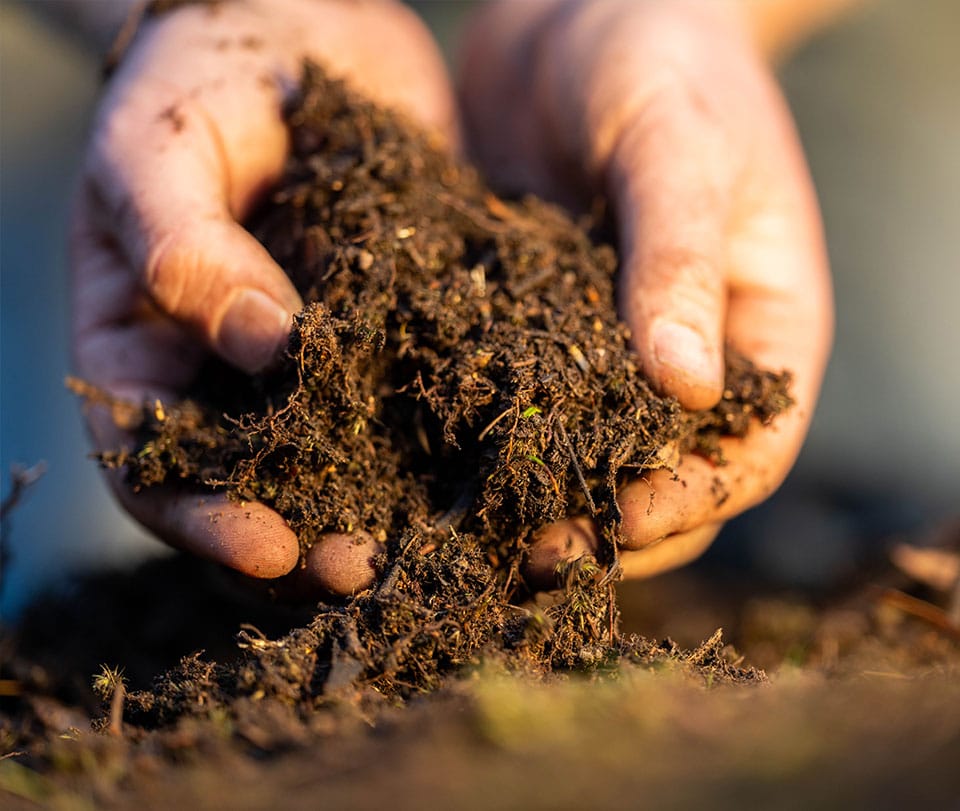
- Building Soil Health – Healthy soil is the foundation of everything. We avoid harsh chemicals, encourage natural fertilisation through grazing, and monitor our soil quality regularly. Healthy soil holds more water, stores more carbon, and grows better pasture.
- Planting for the Future – We’ve planted over 2.5 acres of broadleaved woodland and 3000m of hedges, creating habitats for birds and wildlife while improving the landscape. We also preserve and maintain hedgerows, which are brilliant for biodiversity.
- Minimising Waste – Nothing goes to waste where we can help it. All our cardboard, glass, and metal are recycled, and we make careful use of natural resources—like our on-site borehole and reed bed water treatment system.
- Using Renewable Energy – Our 100kWp solar panel system powers much of our operation, cutting down our reliance on fossil fuels and reducing our carbon footprint by nearly 29 tonnes every year.
These aren’t flashy initiatives—they’re practical, everyday choices that add up to make a real difference.
Why It Matters (To Us, and To You)
So, what’s the benefit of regenerative farming beyond feeling good about the environment?
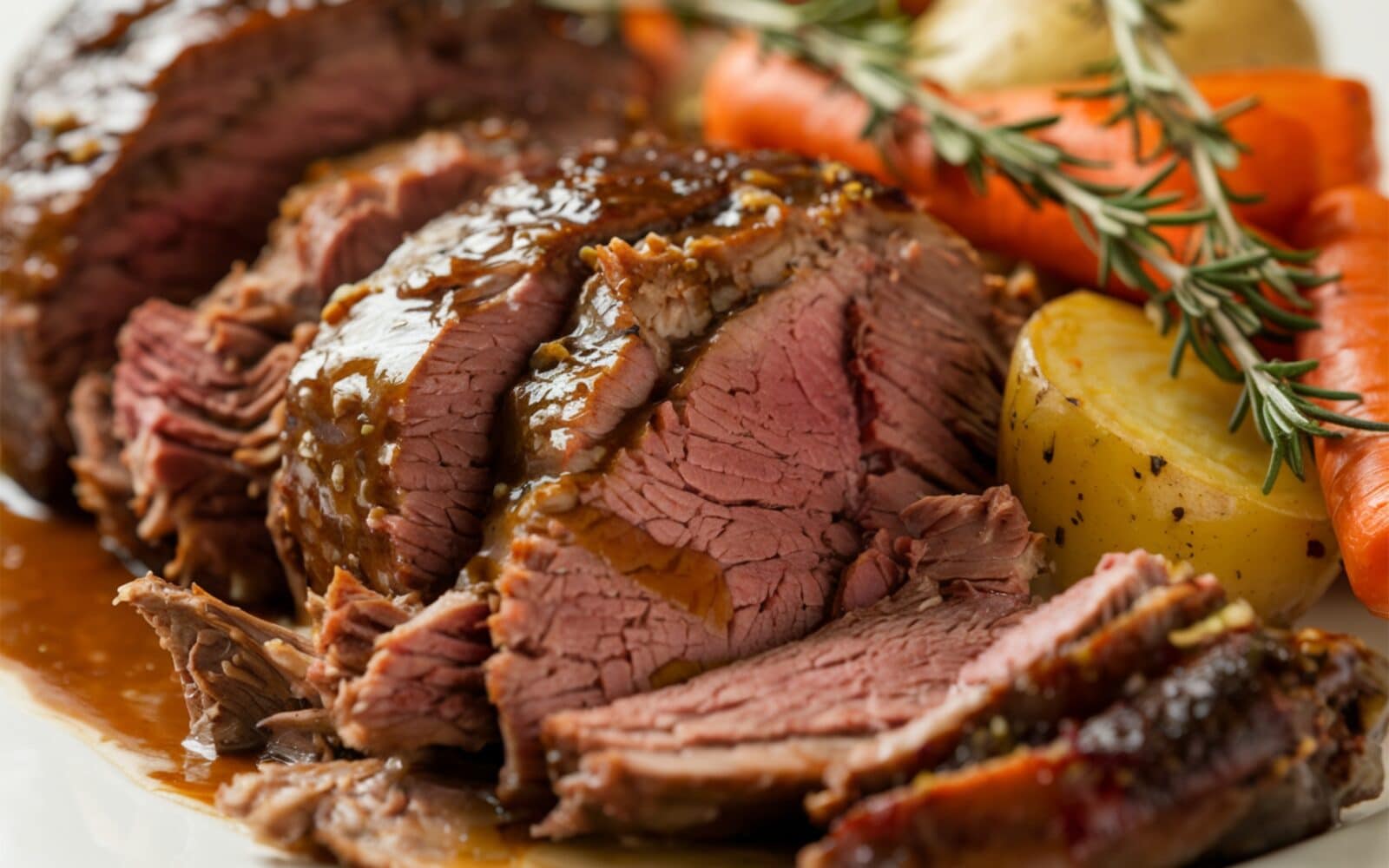
The truth is, it creates better food. Healthier pastures lead to healthier animals, which leads to better-quality meat—richer in flavour, more naturally marbled, and higher in nutritional value.
Our Aberdeen Angus cattle thrive on a grass-based diet, raised slowly and naturally, the way it should be. They’re calm, well cared for, and live in an environment designed around their needs, not just production figures.
But beyond the food, regenerative farming is also about:
- Climate Resilience
Healthy soil can withstand drought and heavy rain better than degraded land, helping farms stay productive even in a changing climate. - Biodiversity
Birds, bees, insects, and small mammals all find homes in a well-managed farm landscape. That’s not just good for nature—it helps pollination, pest control, and soil balance too. - Local Economies
When you support regenerative farms, you’re supporting rural communities, small businesses, and a food system that values quality over quantity.
In short: it’s better for the animals, better for the planet, and better for your plate.
Regeneration is a Journey, Not a Destination
We’ll be honest—regenerative farming isn’t something you “complete.” It’s not about being perfect. It’s about making better decisions, season after season, year after year. It’s about taking care of what we’ve been given and leaving it in better shape than we found it.
At Yorkshire Dales Meat Company, we’re proud to be part of this movement. We don’t claim to have all the answers, but we’re learning, adapting, and improving as we go.
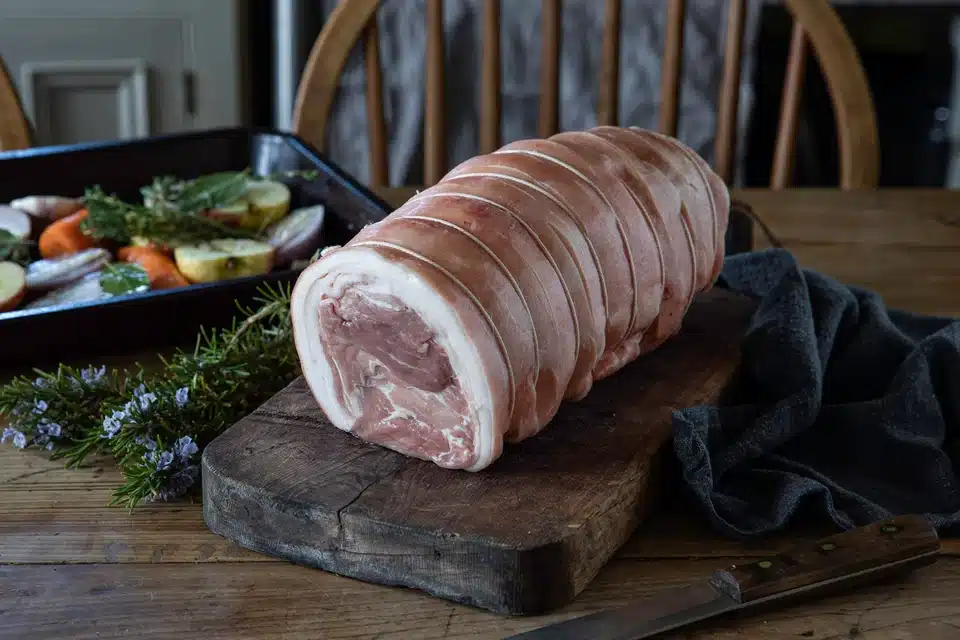
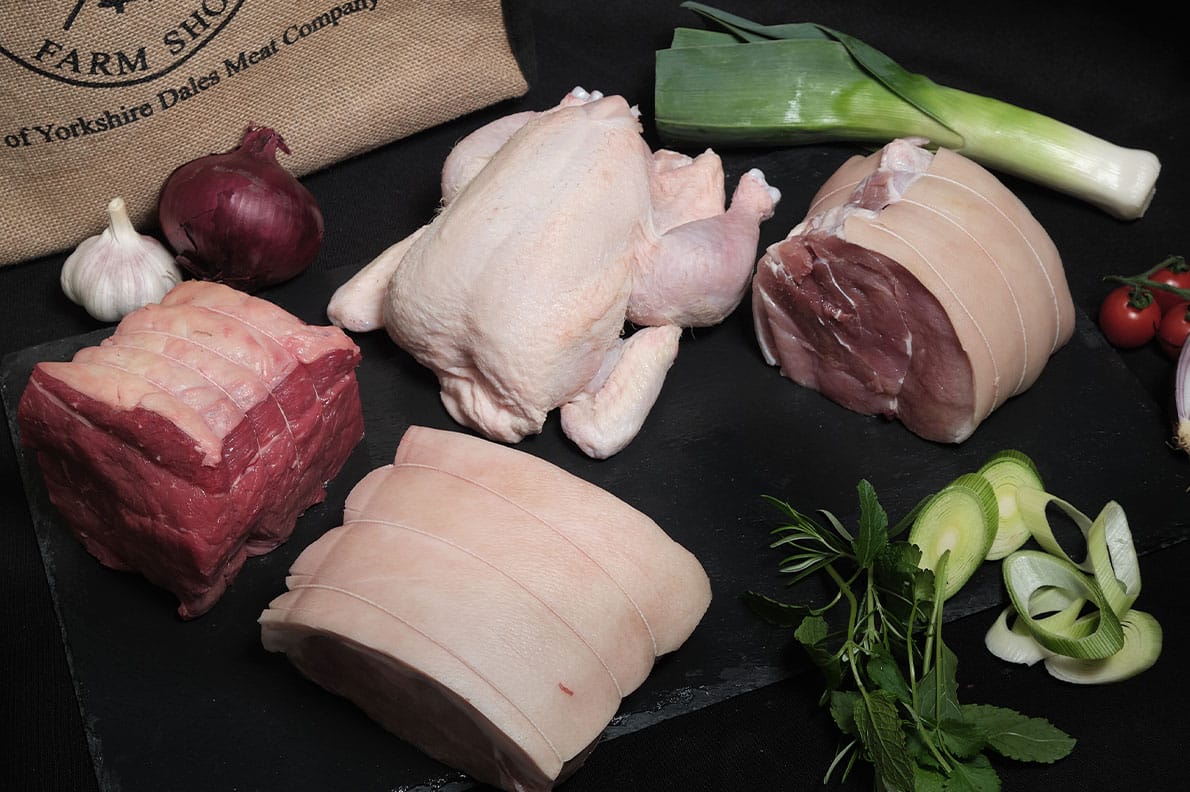
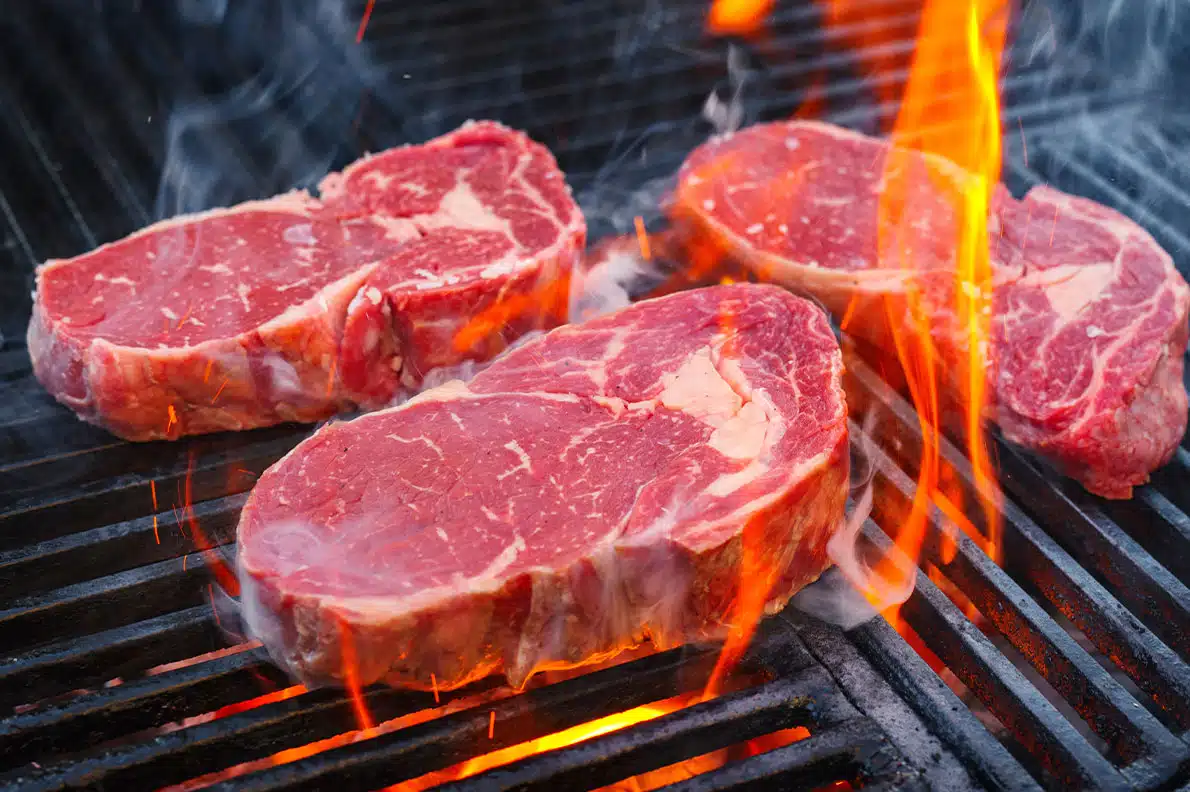
So the next time you’re enjoying one of our steaks or slow-cooked joints, know that you’re not just eating great meat—you’re also supporting a way of farming that’s focused on regenerating the land, not just using it.