





The clocks are about to go back, the evenings are drawing in, and the Sunday roast is back on the table. It’s the time of year our butchers like us get asked the same questions again and again: which beef joint should I buy? What are the best beef joints for roasting?
The honest answer depends on:
- Who you’re feeding
- How you like your beef
- How much time you’ve got.
So, here’s the guide we’d give you if you walked into our farm shop and asked.
- Beef Rib Eye Roasting Joint: the showstopper
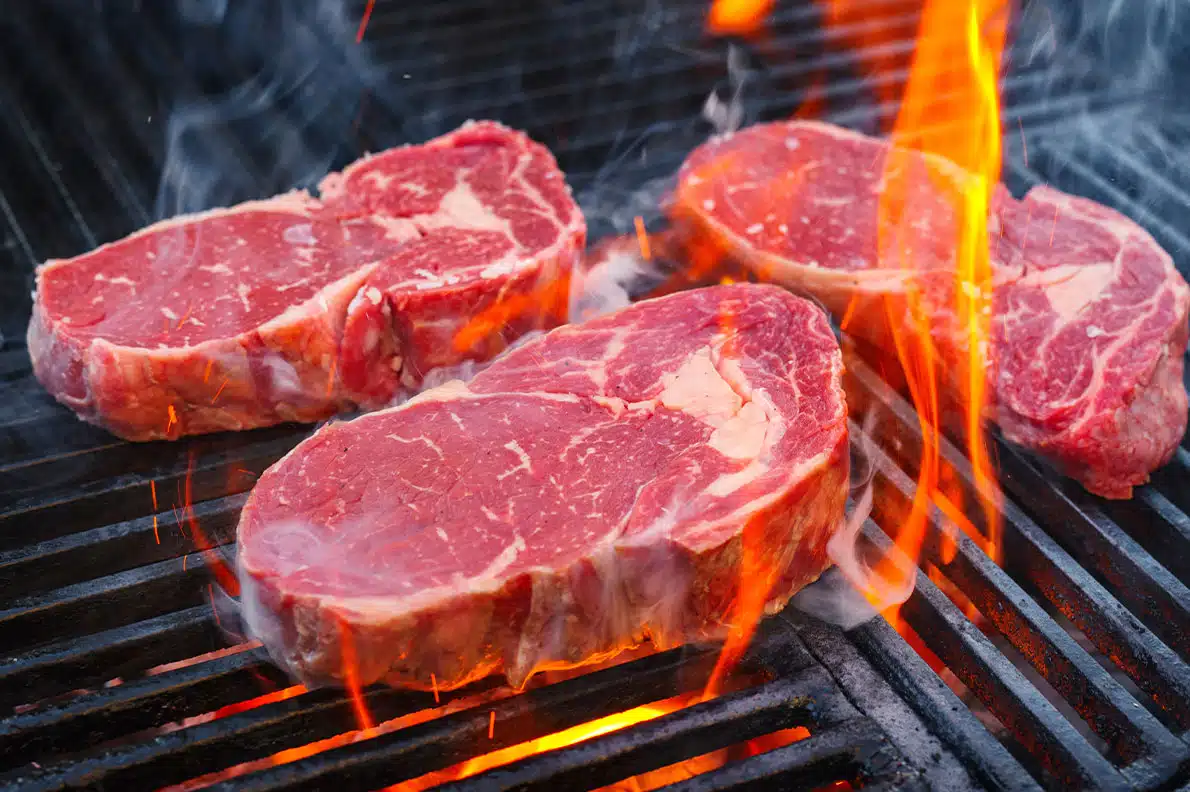
If you want one joint that makes people rejoice when it arrives at the table, it’s our Aberdeen Angus beef ribeye. Cut from the rib of beef, it has more marbling running through it than almost any other joint, which keeps it really juicy and full of flavour as it roasts.
Our butchers take the ribeye off the bone and prepare it by hand, so you get all the richness of a traditional rib roast in a joint that’s simple to cook and slices cleanly from end to end.
Beef Ribeye is at its best served pink, making it one of the best beef joints for roasting when you prefer your beef less well done. Roast it hot, check it with a thermometer, and give it a proper rest so the marbling has time to melt into the meat.
Best beef joint for roasting when: you’re planning big celebrations, Christmas, or you like your beef pink.
How much to buy: our ribeye joints come in 2kg and 4kg sizes. Tell us how many you’re feeding, and we’ll help you choose.
Shop Beef Ribeye roasting joint
- Beef Sirloin: tender and easy to carve
Sirloin is the joint most people picture when they think of roast beef. It’s tender, carves into neat slices, and the fat cap on top bastes the meat as it cooks.
Beef sirloin is a little leaner than rib, and a touch quicker to cook. Beef sirloin is one of the best beef joints for roasting when you want something special without the bone.
Best beef joint for roasting when: you want a traditional Sunday roast. Why not try our Beef Sirloin to create classic Yorkshire Roast Beef with Horseradish and Cream?
- Beef Topside: the family favourite
Beef topside comes from the inside of the back leg. It’s lean, it’s good value, and it’s the joint that fed most of us as children.
Beef topside is at its best cooked pink and sliced thinly. Take it too far, and it dries out.
Best beef joint for roasting when: you are feeding a crowd, or want simpler midweek roasts, with cold beef sandwiches the next day.
Shop beef topside or our very own Mill Close beef topside.
- Beef Rump: big on flavour
Our beef rump joint is made from several rump muscles from the hindquarter, prepared by hand into one roasting joint. It has a little more bite than sirloin and a deep, beefy flavour that stands up well to a proper gravy and all the trimmings.
Best beef joint for roasting when: you have family roasts and gatherings, with 2kg and 4kg joints to choose from.
- Brisket: slow-cooked comfort
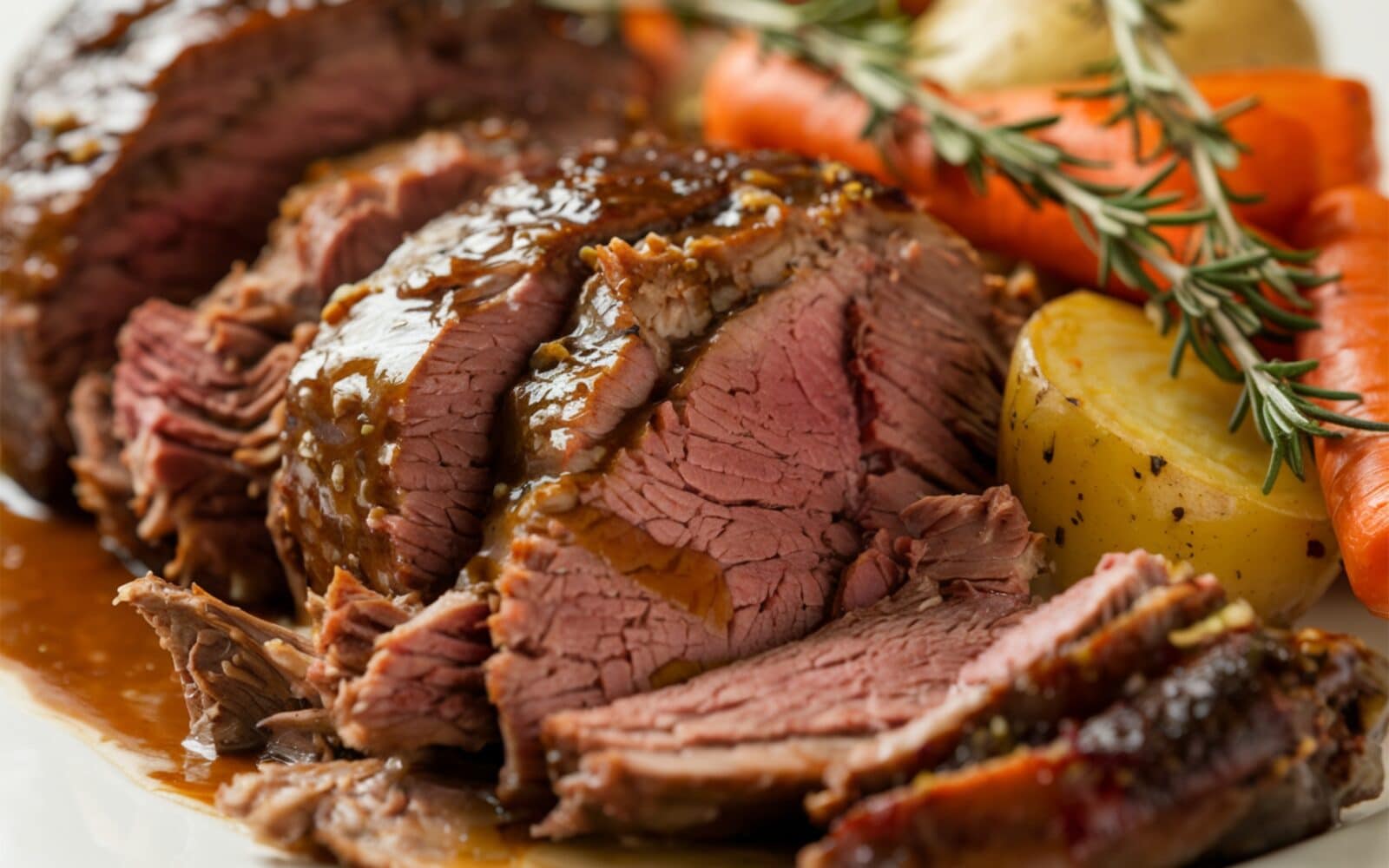
Beef brisket comes from the lower chest. It’s a hard-working muscle with plenty of fat and connective tissue, and it’s cooked gently for several hours, which all melts down to leave the meat rich and tender.
Our tip for roasting beef brisket is to go low and slow. A covered roasting tin with a splash of stock keeps your beef brisket moist. Read our guide to the best cuts for slow cooking has more ideas.
Best beef joint for roasting when: you’re cooking pot roasts, pulled beef or have time for slow weekend cooking.
How much to buy: our brisket comes in 1kg, 2kg and 3kg joints.
- Whole Beef Fillet: the most tender cut
A whole fillet is the most tender cut on the animal, and the most expensive. It’s very lean and cooks quickly, which makes it a treat for a special meal and the heart of a beef Wellington.
Cook it hot and fast. Don’t take it past medium, or you lose the tenderness you paid for. If you’d rather someone else did the pastry work, our individual beef Wellingtons are made here in house and are ready to cook.
Best beef joint for roasting when: you like your beef rare, or there’s an extra special occasion.
How to roast beef properly
Whichever joint of beef you choose, a few simple roasting habits make a big difference to the final result.
- Take your beef roasting joint out of the fridge early. Give it about an hour at room temperature so it cooks evenly.
- Season your beef well. Salt and pepper all over, just before it goes in the oven.
- Start hot. A blast of high heat at the start browns the outside and builds flavour. Then turn the oven down to finish.
- Use a meat thermometer. It’s the only reliable way to know when your beef is done. Cooking times vary with the size and shape of the joint, and every oven is different.
- Let your beef joint rest. Cover loosely with foil and leave it for 20 to 30 minutes before carving. The juices settle back into the meat, and the temperature keeps rising a few degrees while it rests.
What temperature should you roast beef at?
| How you like it | Core temperature |
| Rare | 50°C |
| Medium rare | 55°C |
| Medium | 60°C |
| Well done | 70°C |

Why our beef joints roast so well
Good roasting starts long before the oven. The Mill Close range of beef comes from our own herd of Aberdeen Angus which are born and raised, in the Yorkshire Dales, on our family farm. The breed is known for its fine marbling, the thin threads of fat through the meat that melt as it cooks and keep it tender. You can read more in our post on why Aberdeen Angus makes such tender, flavoursome beef.
Our farm is Red Tractor approved, and every joint is prepared by hand by our butchery team. If you’re not sure which joint to choose, or you need a particular size for a big family meal, give us a call or ask in the shop. That’s what we’re here for.
Order your roasting joint
Browse our full range of beef and choose a delivery date that suits you, or pop into Mill Close Farm Shop at Hackforth, near Bedale, to see the joints for yourself. Or, if you’d like to try a selection, go for our Aberdeen Angus Beef Box.